How does Botox work?
Botox temporarily reduces the activity of targeted facial muscles. When a muscle contracts less, the skin above it smooths out and existing lines become softer and less visible. The effect is gradual and natural – your expressions stay, just without deep lines.
Which areas can be treated?
The most commonly treated areas are forehead lines, frown lines and crow’s feet. Botox can also soften lines on the nose, lift the tip of the nose, the brows and the corners of the mouth, reduce a gummy smile, slim the lower face in bruxism and tighten the neck. Medically, it is used for excessive sweating of the underarms and palms, migraines, and acne and rosacea.
What happens during treatment, and what is the aftercare?
After the consultation, Dr Miljak marks the injection points and uses a very fine needle to inject small amounts of the product. For the first 4 hours after treatment, do not lie down or massage the treated area, and for 24 hours avoid intense exercise, saunas and alcohol. The full effect is assessed after two weeks, when a small top-up is done if needed.

For the first four hours after treatment, don’t lie down, massage the treated area or exercise. That way the Botox stays exactly where it needs to work.
Prices
Before and after
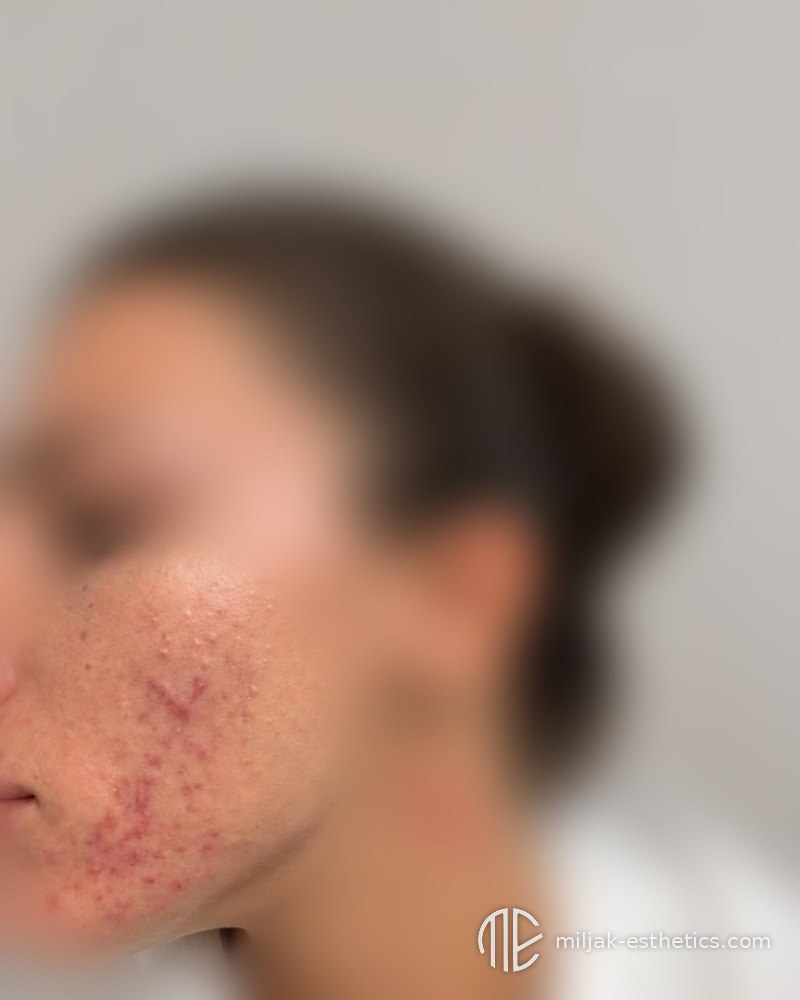 BEFORE
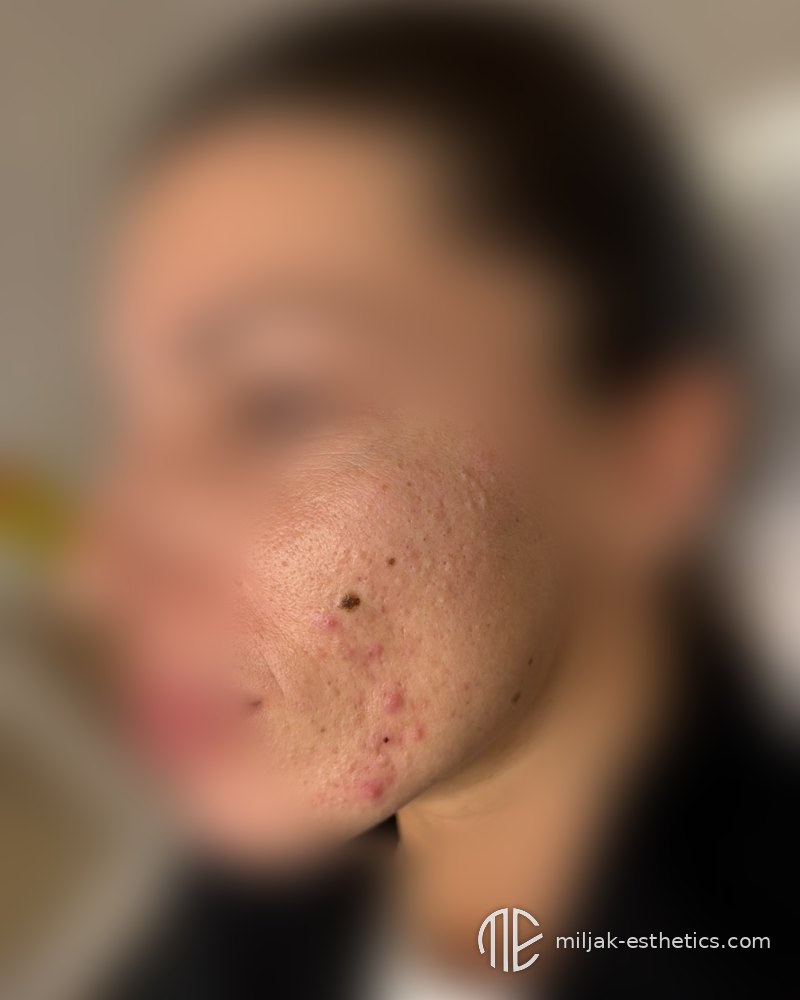 AFTER
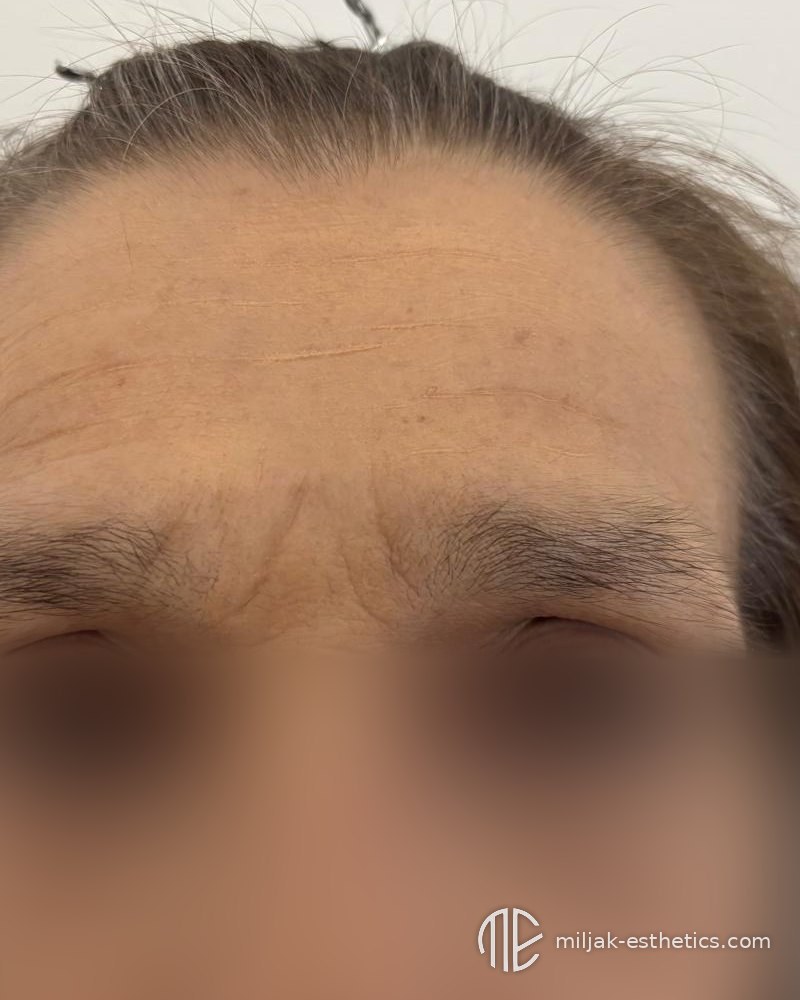 BEFORE
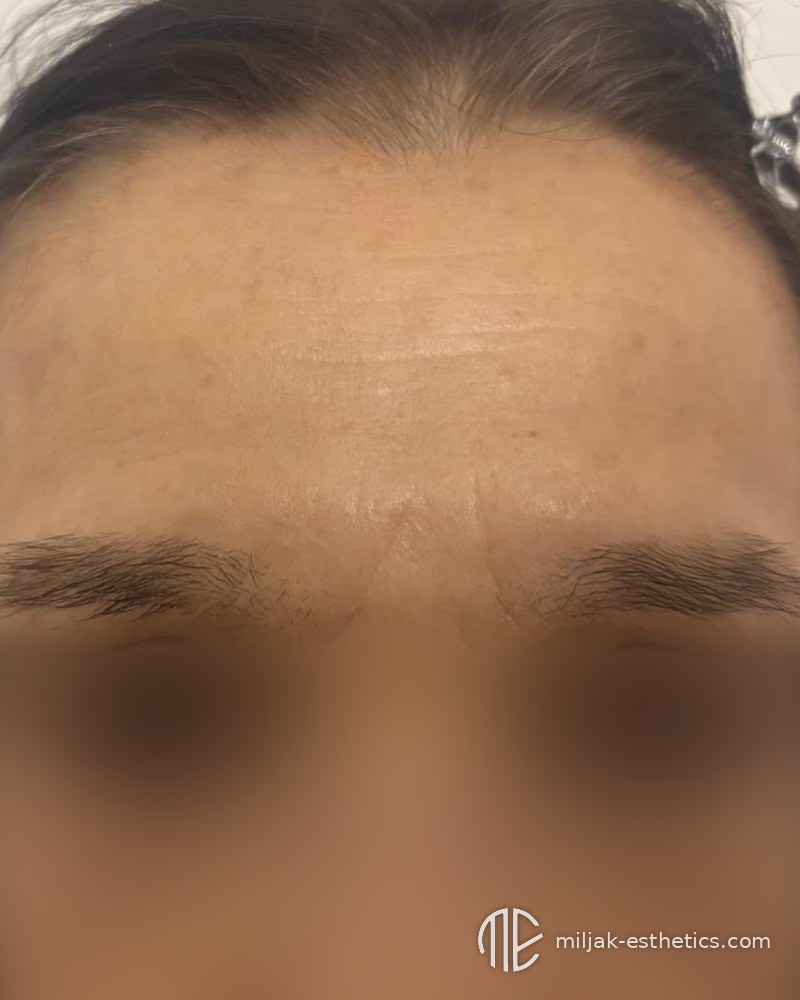 AFTER
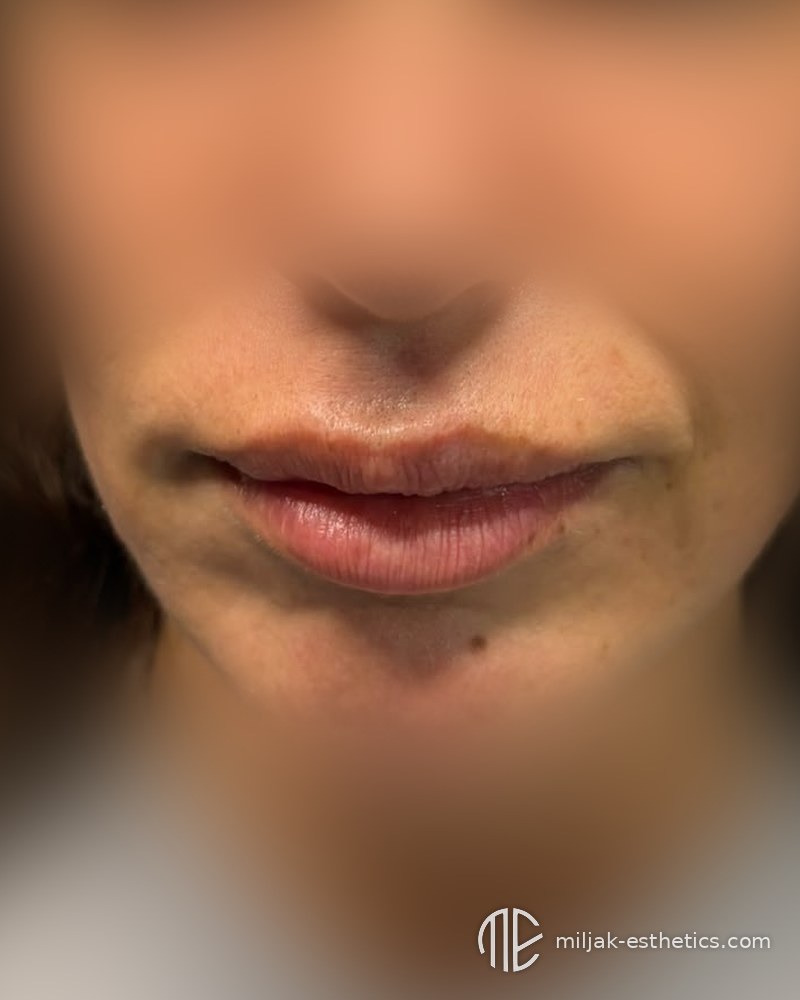 BEFORE
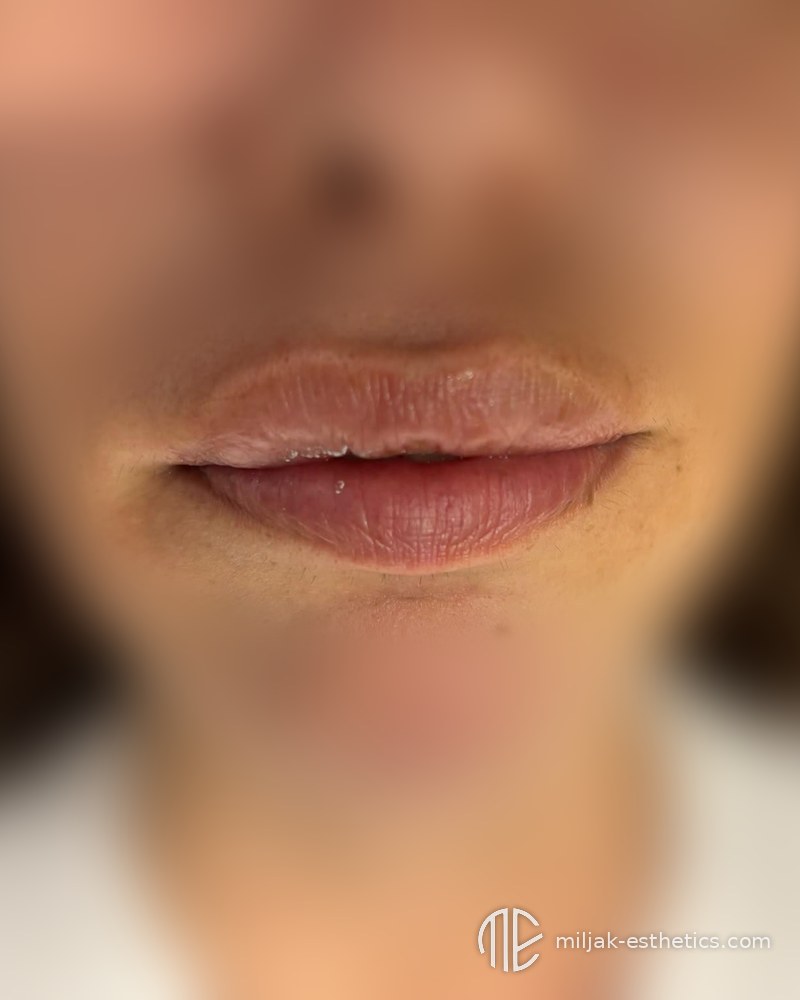 AFTER
Botox – FAQ
We use very fine needles, so most patients feel only brief, mild pricks. Anaesthesia is usually not needed.
No. We tailor the dose to your expressions so your face stays natural – the aim is a rested look, not a stiff one.
Baby Botox uses a smaller dose for a subtle refresh and to prevent lines, while a full dose treats deeper lines and several areas at once.
Usually every 3 to 4 months. With regular treatments, the interval can often be extended over time.